Henri
The Most Precious of CargoesHenri is Rose’s twin brother, a Jewish child born in the spring of 1942 while his family faced internment and deportation. His story is brief and largely told through the danger surrounding him: his birth helps mark a short interval in which his parents remain together, before he and Dinah disappear into the fate of those rejected by the selectors.
Identity and Birth
Henri, also named Hershele, is one of the beloved twins born in the spring of 1942; his sister is Rose, also called Rouhrele. The narration frames their arrival against the question of whether it was right to bring Jewish children into a world under the yellow star. The answer remains bound to the danger of their circumstances, but their existence also briefly gives their parents a reason to hope.
Family and Internment
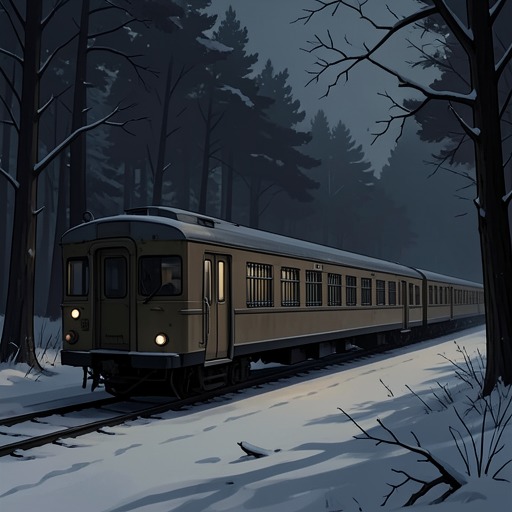
As Henri and Rose are transported with their parents from Pithiviers to Drancy, the family remains together, while other internees are taken away one after another. Henri’s father believes the twins have helped secure this period of reprieve. Their presence allows the family to spend Christmas 1942 together in Drancy, a fragile interval of family life inside the internment camp rather than a release from the threat surrounding them.
The account presents Henri primarily through his parents’ experience of this precarious closeness. His father’s belief that the twins have kept the family together makes the children both cherished members of the family and an explanation, however temporary, for its continued unity. The reprieve cannot protect them indefinitely.
Deportation and Narrative Fate
After deportees are examined by selectors described as qualified doctors, only ten percent of each group are retained. The elderly, men, women, children, and infirm among those rejected are sent away toward the desolate Polish sky. Henri is included among those lost in this process: the narration says that he and Dinah, listed as Diane on provisional papers and in a new official family record book, slip beyond earthly bonds and reach a heavenly limbo promised to the innocent. The fairy-tale language softens the statement’s surface while the selection context makes the human consequence clear: Henri and Dinah vanish among the rejected, and the account offers no return for them.
Narrative Significance
Henri’s brief presence links intimate family attachment to the machinery of deportation. His birth is first associated with a few more months in which his family can remain together; later, he appears among the children who are not retained by the selection. That reversal gives the reprieve its bitter limit. The account preserves Henri as a beloved child and Rose’s twin, even as its euphemistic image of heavenly limbo registers the violence that removes him from the family.